
PRODUCT CENTER

PRODUCT PARAMETERS
PRODUCT DESCRIPTION
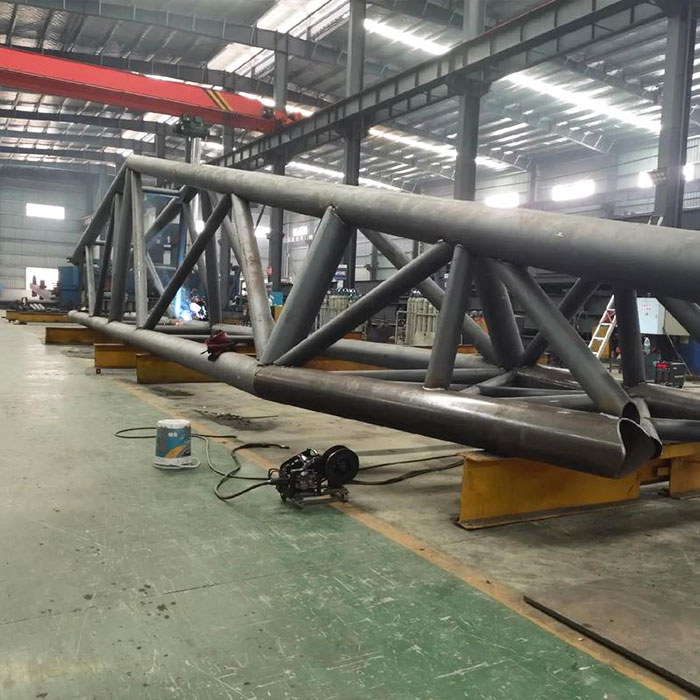
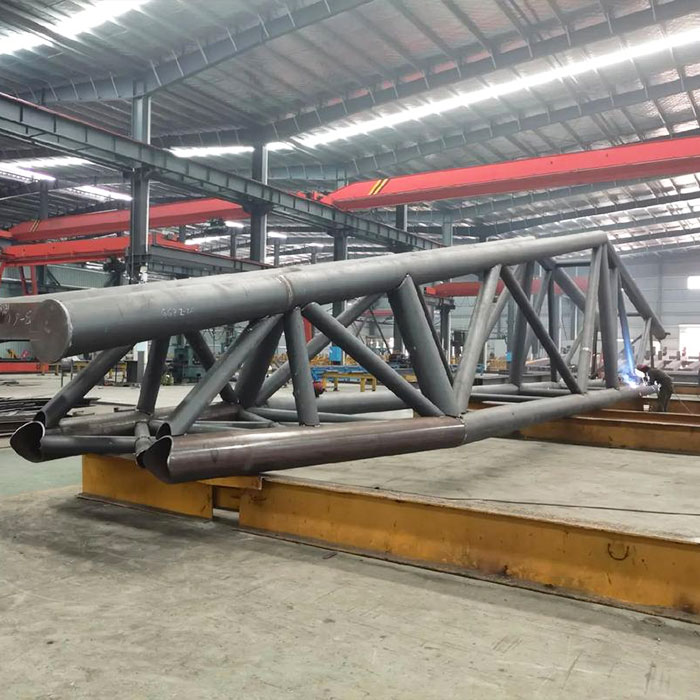
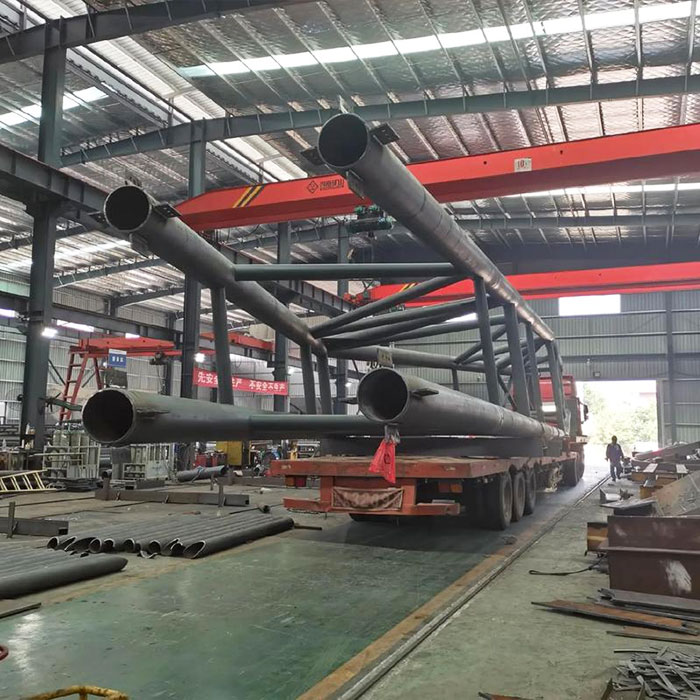
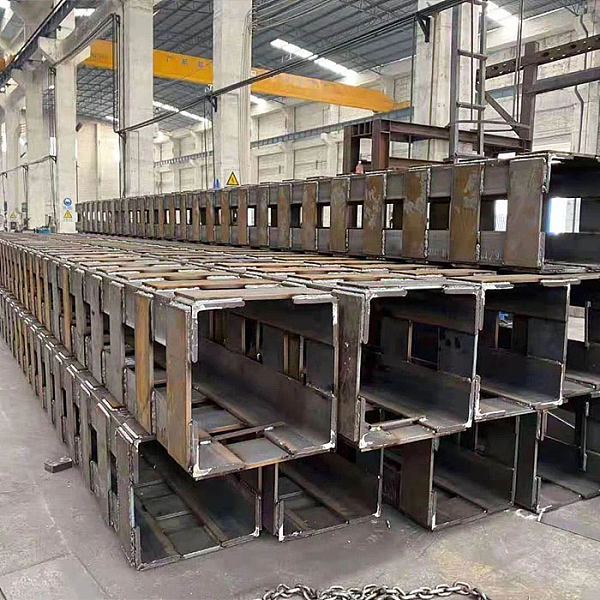
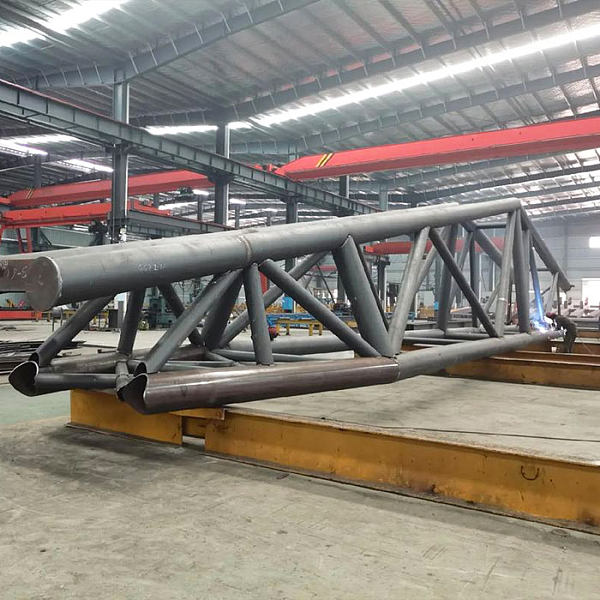
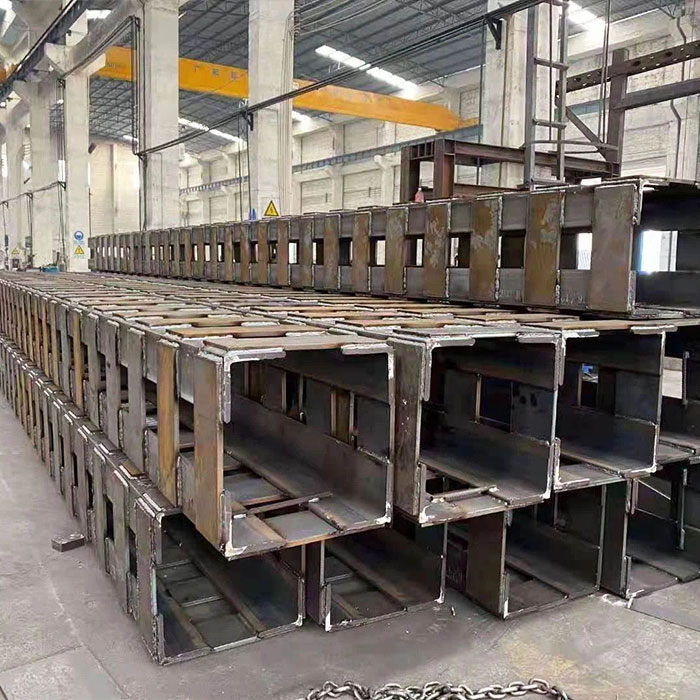
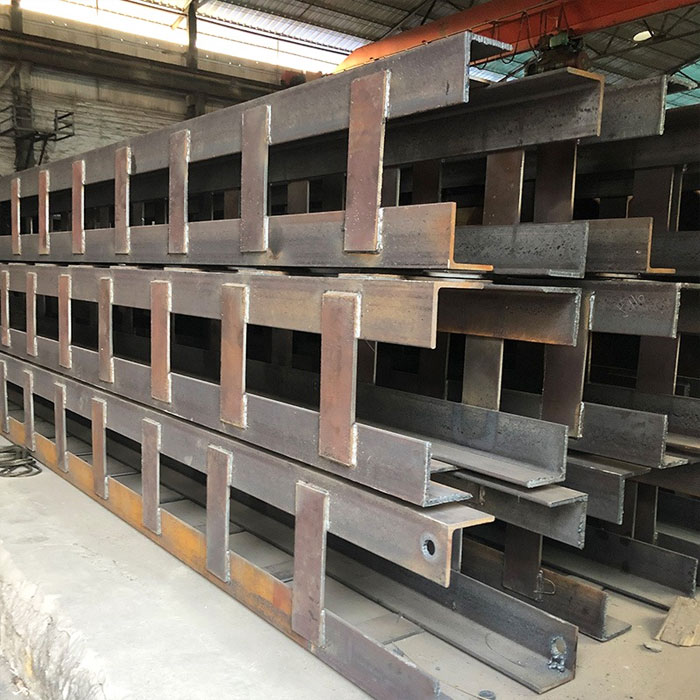
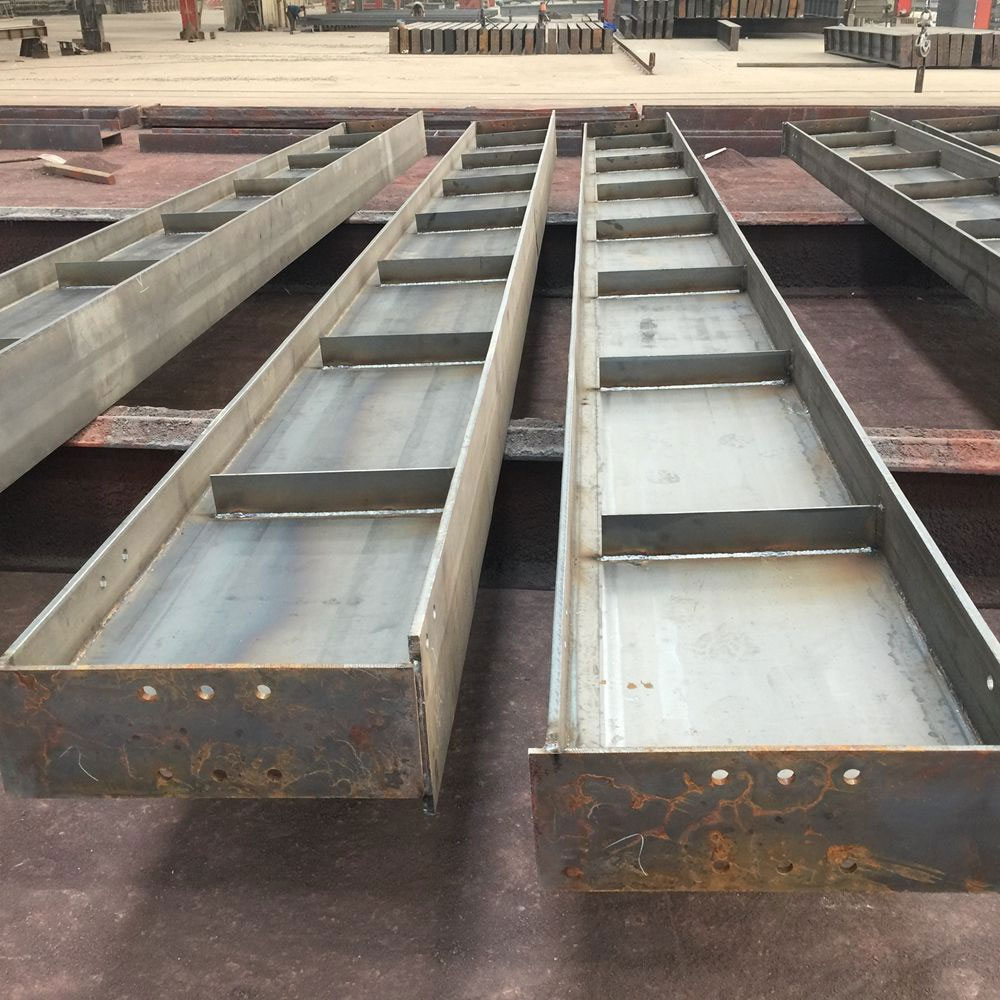
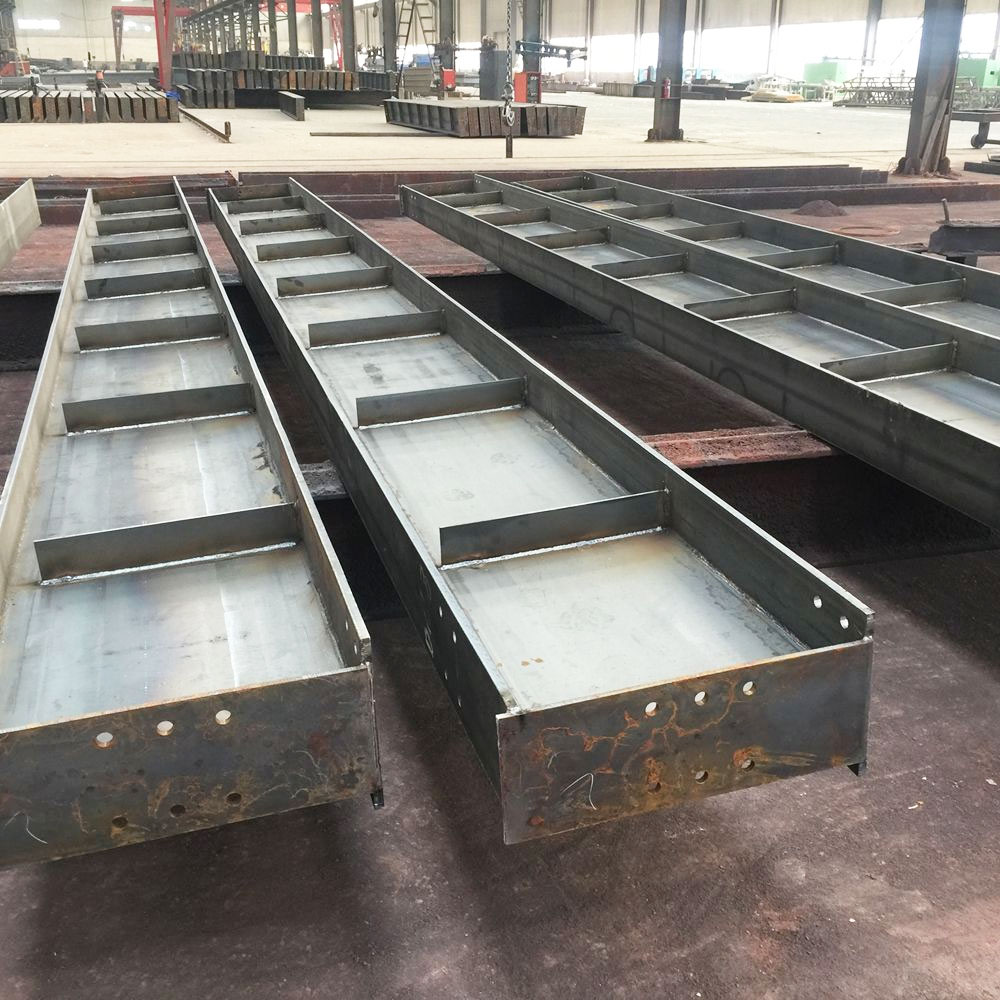
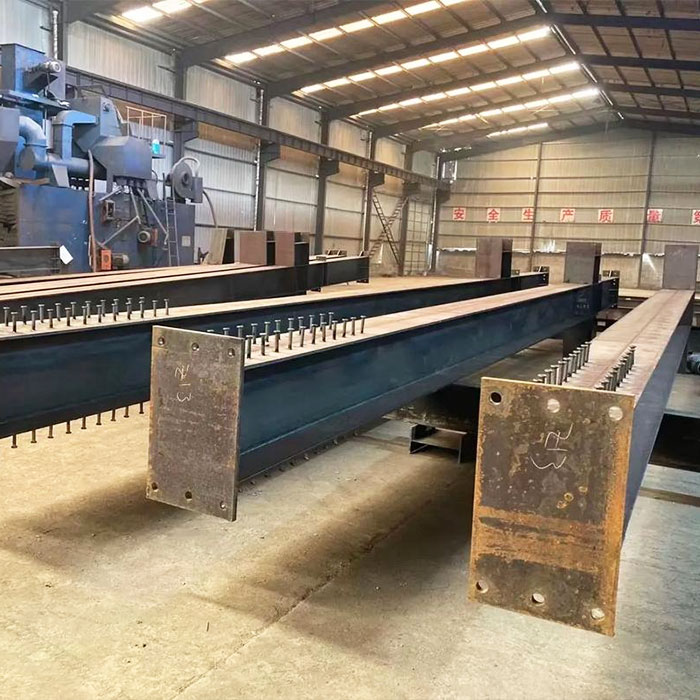
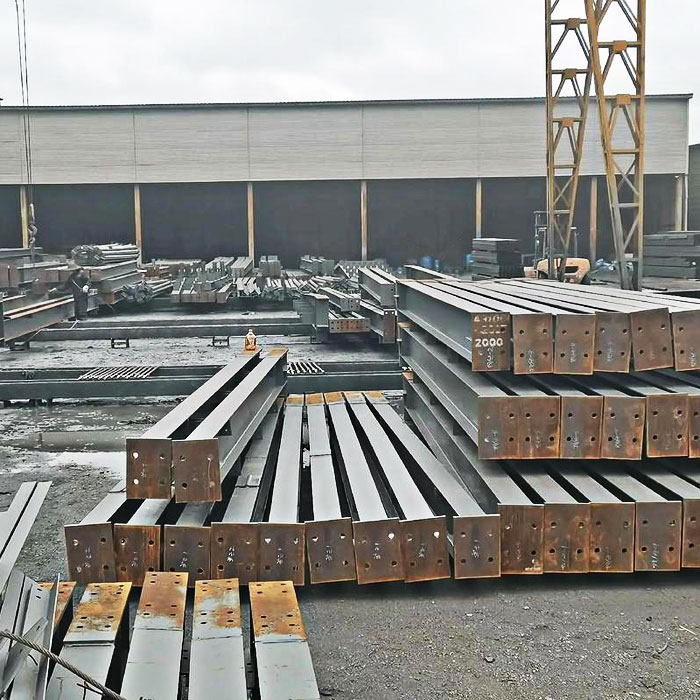
Steel trusses refer to trusses made of steel. They are often used as the primary load-bearing components in industrial and civil building roof structures, crane beams, bridges, and hydraulic gates. Various towers, such as masts, television towers, and transmission line towers, often utilize spatial steel trusses composed of three, four, or more planar trusses.
Trusses are widely used in steel structures. For example, they are often used as the primary load-bearing components in industrial and civil building roofs (roof trusses, etc.), crane beams (i.e., crane trusses), bridges, cranes (their towers, beams, or booms), hydraulic gates, and offshore oil platforms. Various types of steel grids, commonly used in the roof structures of large-span public buildings, are examples of spatial steel trusses. Various towers, such as television, transmission, drilling, and crane towers, and masts, often utilize spatial steel trusses composed of three, four, or more planar trusses.
Compared to solid beams, steel trusses use sparse web members instead of a solid web. The members primarily bear axial forces, often saving steel and reducing the weight of the structure. This makes steel trusses particularly suitable for structures with larger spans or heights. Furthermore, steel trusses can be easily fabricated into various shapes to suit specific requirements. Furthermore, because the web members use less steel than the webs of solid beams, steel trusses can often be constructed with greater height, resulting in greater rigidity. However, steel trusses have more members and joints, resulting in a more complex structure and labor-intensive manufacturing.
Among steel trusses, beam-type simply supported trusses are the most commonly used. Because these trusses have well-defined loads, internal forces in the members are unaffected by support settlement and temperature fluctuations, making them simple to construct and easy to install. However, they use a slightly higher amount of steel. Rigid frame-type and multi-span continuous steel trusses can save steel, but their internal forces are more sensitive to support settlement and temperature fluctuations, requiring higher precision in manufacturing and installation, and are therefore less commonly used. In the steel skeleton of a single-story factory building, roof steel trusses often form single-span or multi-span frames with steel columns. These trusses offer high horizontal stiffness and are better suited to large crane or vibration loads. Continuous steel trusses are commonly used in structures such as long-span bridges and mast towers with cable ties. Arched steel trusses are also commonly used in large-span public buildings and bridges. Cantilevered steel trusses are also commonly used in offshore platforms and certain housing structures. All types of towers are cantilever structures.
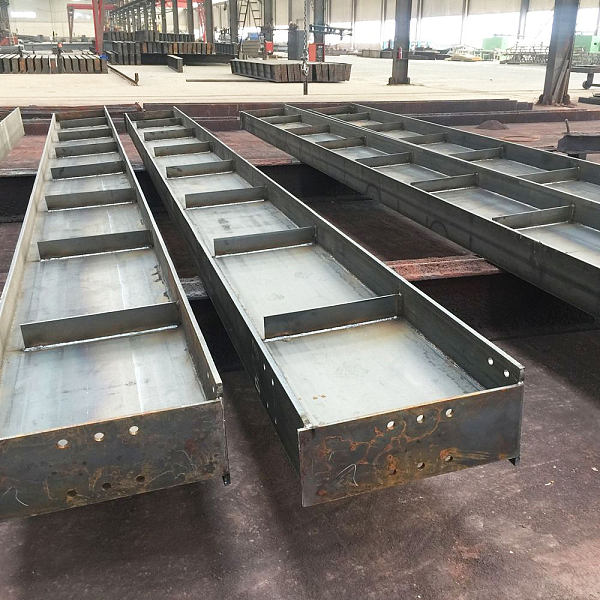
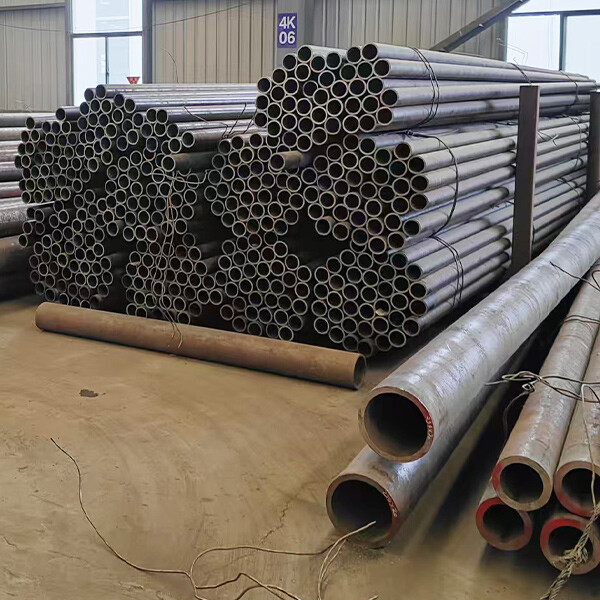
Steel trusses can be categorized as standard, heavy, and lightweight steel trusses based on member internal forces, member cross-sections, and node configurations. Standard steel trusses generally use single-web members, typically with a T-shaped cross-section formed by two steel angles, though cross-shaped, channel-shaped, or tubular cross-sections are also used. Nodes are connected by gusset plates. These simple structures are the most widely used. Heavy steel trusses, with their members subject to greater stress, employ H-shaped or box-shaped sections composed of steel plates or steel sections, with nodes connected by two parallel gusset plates. These trusses are commonly used for steel trusses with larger spans and loads, such as bridges and long-span roof trusses. Light steel trusses employ small angles and round steel, or cold-formed thin-walled steel sections. Nodes can be connected with gusset plates or by directly connecting the members. They are primarily used for roof structures with smaller spans and lighter roofs.
FACTORY DISPLAY
COMPANY INTRODUCTION
Shandong Xingyue Materials Co., Ltd
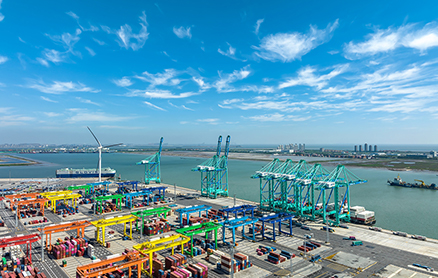
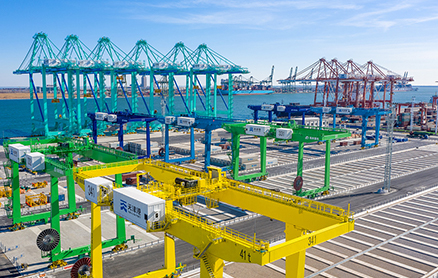
Shandong Xingyue Materials Co.,Ltd. is a professional supplier of steel and metal raw materials. Its main products include carbon steel, copper, stainless steel, profiles, rare materials and other products. It is a comprehensive manufacturer. Its products are used in construction, home appliances, aerospace and other fields. The company has strong technical strength and advanced process equipment.
Shandong Xingyue Materials Co.,Ltd. has been recognized by the industry for its integrity, strength and product quality, and its products are sold to many regions at home and abroad. The company adheres to the purpose of "winning customers' trust with quality and expanding the market with reputation" and the development concept of "trust first, humility as sincerity, and harmony as precious", and has won the trust of customers. We are dedicated to providing excellent products and services to customers at home and abroad, and work together for development!
GET IN TOUCH
PRODUCT RECOMMENDATION
 Steel columnsLearn More
 Universal BeamLearn More
- steel trussLearn More
- steel structureLearn More
 Steel springboardLearn More
 Cup-lock side panel supportLearn More
- Cup-locked middle beamLearn More
- Cuplock LedgerLearn More
- Plug connectorLearn More
 Standard cup lockLearn More
- H-frame and A-frameLearn More
- Aluminum barLearn More
- 1070 aluminum barLearn More
- 1060 aluminum barLearn More
- Structural steel plateLearn More
- Pressure vessel plateLearn More
- Manganese steel plateLearn More
- Chromoly plateLearn More
- Abrasion-resistant plateLearn More
 Hot rolled coils with complete specificationsLearn More
- MN13 wear-resistant steel plate with various specifications Non-magnetic high manganese wear-resistant plate cutting MN13 high strength wear-resistant plateLearn More
- NM400 wear-resistant steel plate raw materials complete specifications NM400 wear-resistant plate cuttingLearn More
- Weathering steel plate Weathering red rust steel plate Rust steel plate Hollow carving indoor curtain wall Red rust plateLearn More
- Spot Q235NH weather resistant steel plate garden landscape weather resistant plate cutting retail 3mm 4mm 5mm 6mm 8mm 10mmLearn More
- Patterned PlateLearn More
- Galvanized Carbon Steel Checkered PlateLearn More
- DIN536 900A A150 Crane Steel RailLearn More
- ASCE60 Q235B Steel RailLearn More
- ASCE 60 55Q Steel RailLearn More
- 43KG Heavy Rails for RailwayLearn More
- 12KG Light Steel RailLearn More
- 7075 Aluminum CoilLearn More
- 6061 Aluminum CoilLearn More
 TC4 Titanium CoilLearn More
- TA1 pure titanium coilLearn More
- Titanium coilLearn More
- Titanium Alloy Rod BarLearn More
- TA2 Titanium RodLearn More
- TC4 Titanium RodLearn More
- Titanium RodLearn More
Get in touch with us
Phone